
What actually differs between them
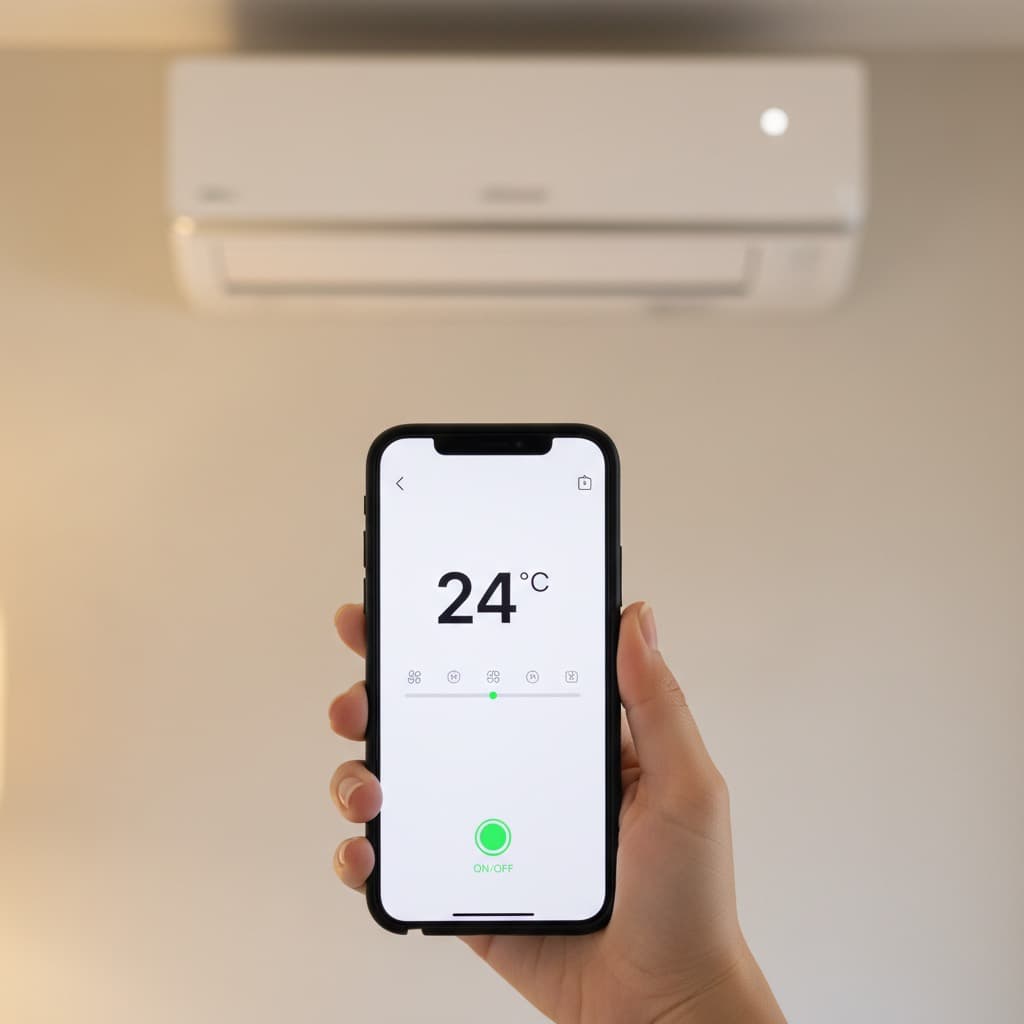
A non-inverter compressor has two states: running at full power, or off. It reaches the set temperature, stops, then restarts once the room warms up again.
An inverter compressor can vary its speed. Once the room is cool it slows down and keeps running gently, holding the temperature without that wasteful on-off cycling.
How much you actually save
The saving depends entirely on how long the unit runs. For a bedroom used eight hours a night, a five-star Acson inverter can cut up to 48% against an older unit.
For a guest room switched on twice a month, that saving barely exists — the unit never runs long enough for the low-power phase to matter.
- Daily bedroom use — an inverter pays back in roughly two years
- Evening living room use — three to four years
- Guest room or store room — a non-inverter makes more sense
- Office hours — an inverter is almost always right
The price gap across the Acson range
The AVO non-inverter starts at RM1,240 for 1.0HP. The Viento inverter starts at RM1,360 — a fairly small step up for inverter technology.
The Reino+ at RM1,695 adds the five-star energy rating, iClean+ and the anti-virus filter. For a room in daily use that is an easy difference to justify.
Comfort, not just cost
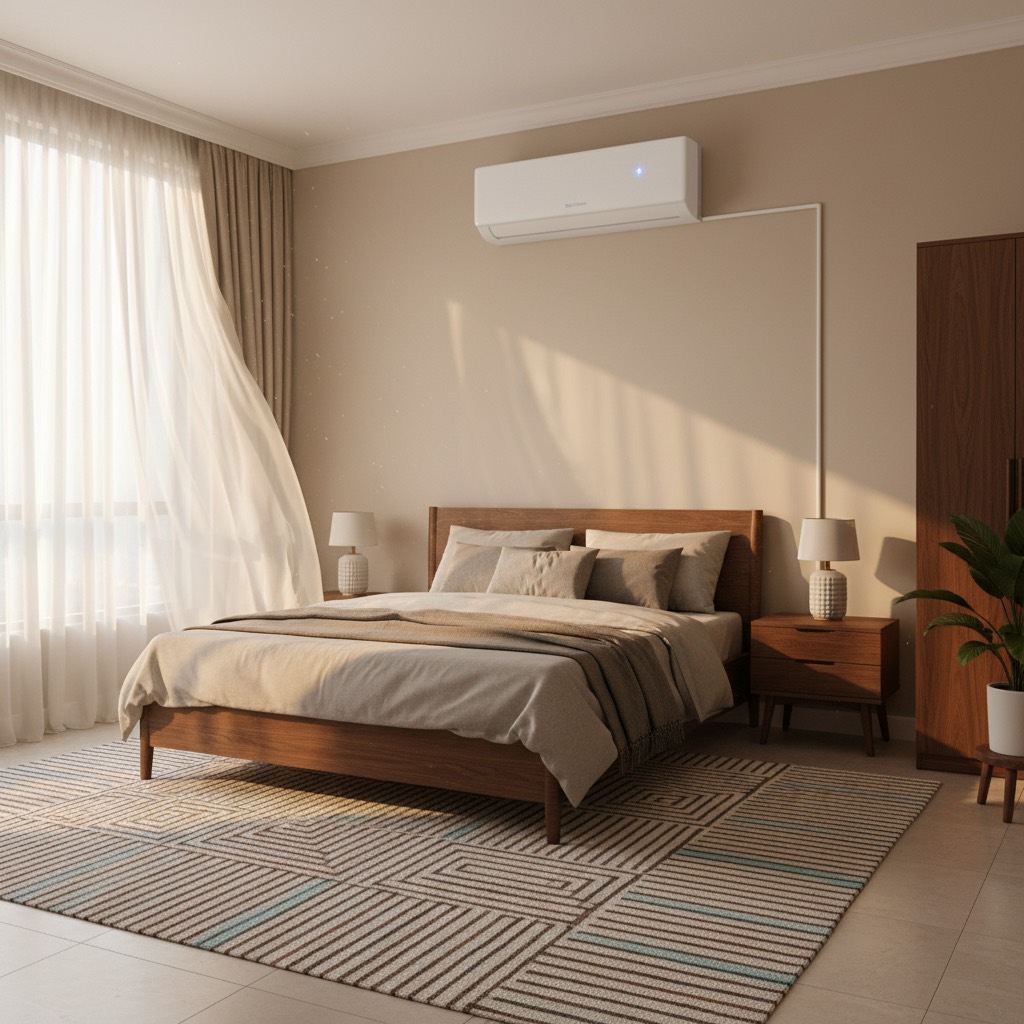
Inverters are also quieter and hold temperature more steadily. There is no jolt of noise every time the compressor kicks back in during the night.
For bedrooms, plenty of customers choose an inverter for that reason alone, before the electricity bill even enters the calculation.